[Context Series] Crane-shaped Signatures 〔文脉系列〕鹤形签押

Birds have often been thought of as
embodying beauty from ancient
times to the present. In the West,
graceful, serene and gentle swans
are synonymous with "nobility".
Meanwhile cranes have a lofty
status in Chinese culture. They
symbolize holiness, elegance and
auspiciousness and are generally
recognized as a first-class "literary"
bird species.
从古至今,人们常把鸟视为美的化身。在西方,天鹅雍容、沉静、温和,是“高贵”的代名词。而在中国文化中,鹤有着崇高的地位,它象征圣洁、清雅、吉祥,是被公认的一等文禽。
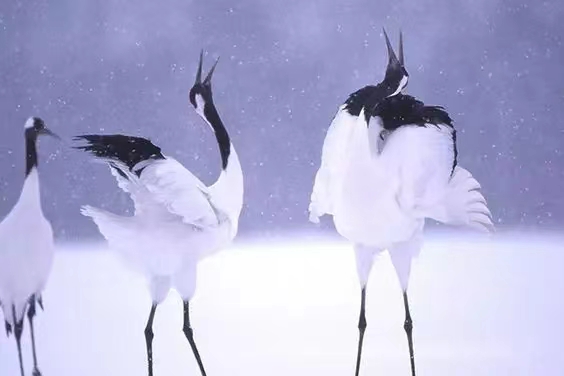
Cranes, for their slender beaks, necks
and legs and snow-white feathers,
display the "poise of sages".
In black and white, their feathers
highlight their agility and elegance;
in both motion and stillness, their
manners resemble those of sages.
鹤之韵,在于仙。
黑白之间轻灵仙雅,动静之间仙风道骨。
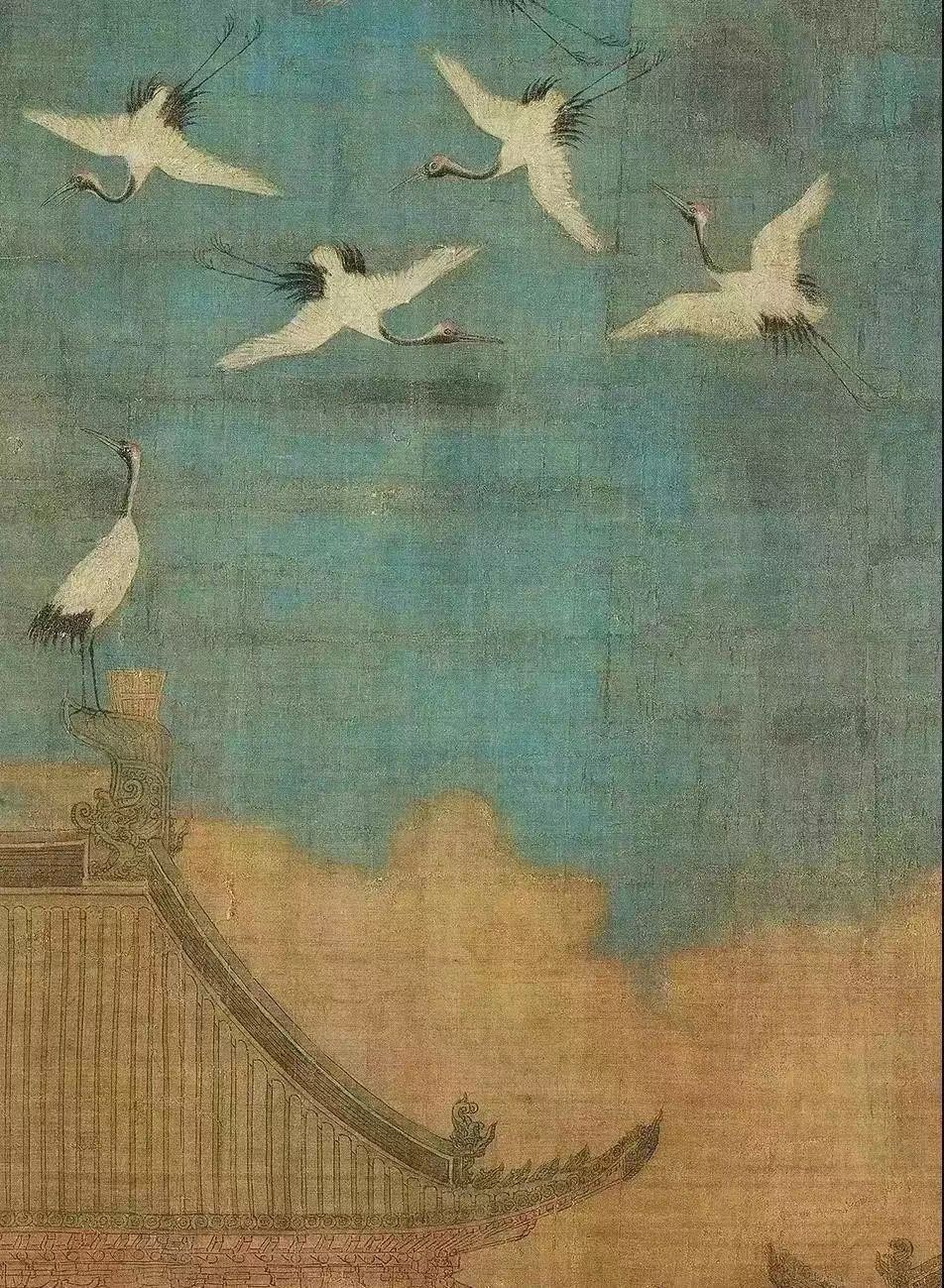
▲ Auspicious Cranes by Song-dynasty Emperor
Huizong (partial)
▲宋徽宗瑞鹤图(局部)
In the Ming and Qing dynasties, crane
insignia was embroidered on the
mandarin square sewn onto the surcoat
of the highest-ranking government
officials to indicate the rank of the
official wearing it. Officials shaped
their signatures on official documents
into cranes to imply high aspiration
and broad-mindedness. The artistry as
displayed in the crane-shaped
signatures of the magistrates of
Wenjiang County Government at the
beginning of the Republic of China
is stunning.
明、清两代文官的一品官服补子即为鹤。官员们将公文签押写作鹤形,意为志存高远旷达如鹤也。而民国初期,温江县政府知事鹤形签押的艺术性,也可谓一绝。
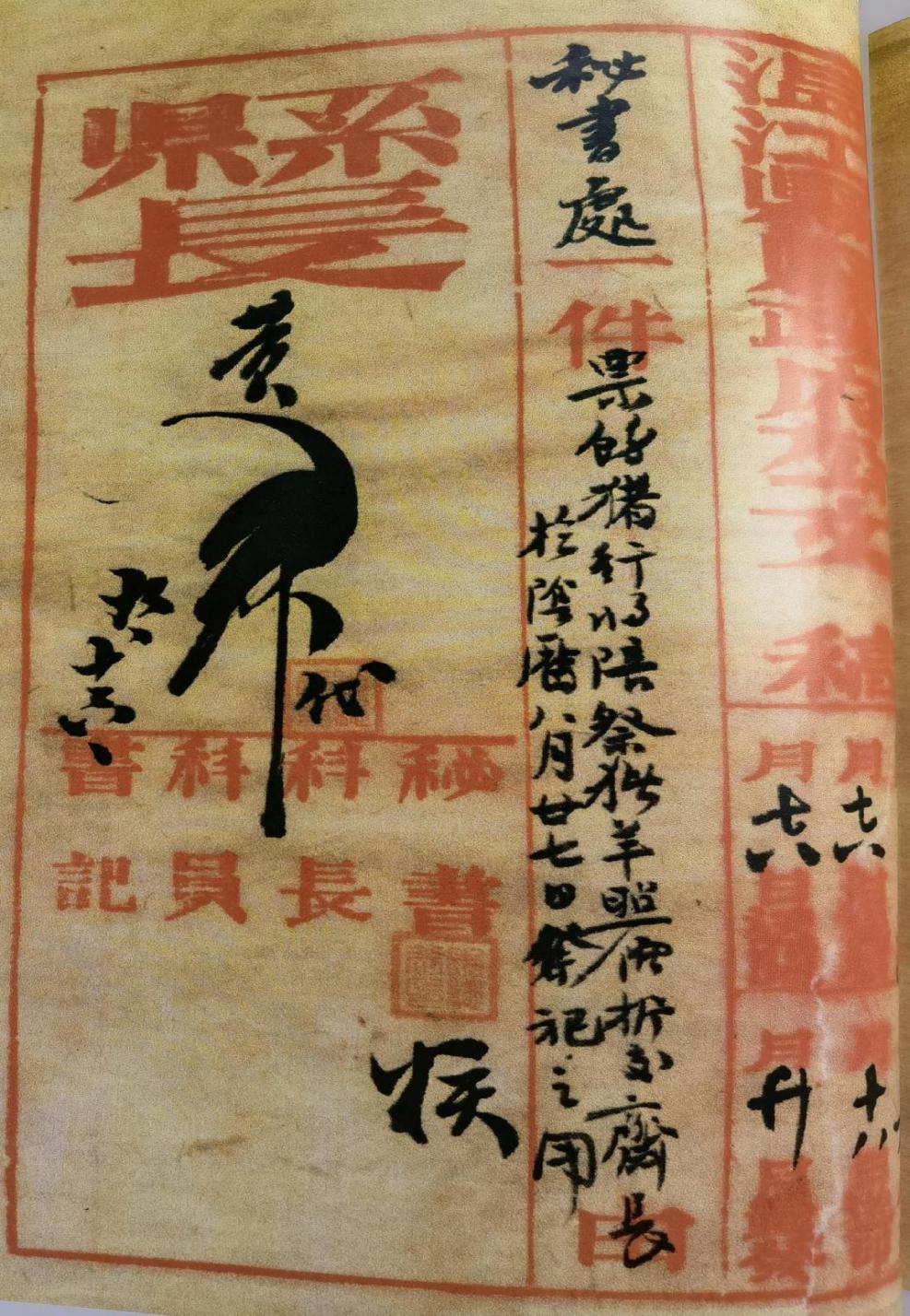
In past dynasties, "signing" was an
important step in the handling of
official documents. At the beginning
of the Republic of China, the head of
the government at all levels would
sign "Approved" in a specified position
in an official document to indicate that
they agreed to the release of it.
“签发”,是历代公文处理程序中的一个重要环节。在民国初期,如果单位长官审核同意,即在公文规定处签一“行”字,表示同意。
Throughout that period, all the 37
magistrates who served in the Wenjiang
County Government signed the
crane-shaped "Approved" on the official
documents to be issued. The lifelike,
crane-shaped Chinese character for
"Approved", with a leisurely and
unrestrained poise, consists of just a
few strokes. On official documents,
these "cranes" have long and pointed
beaks, slender legs, long necks and
withered tails; they stand there
alone—wings folded and necks
stretched, gazing into the distance
in various manners.
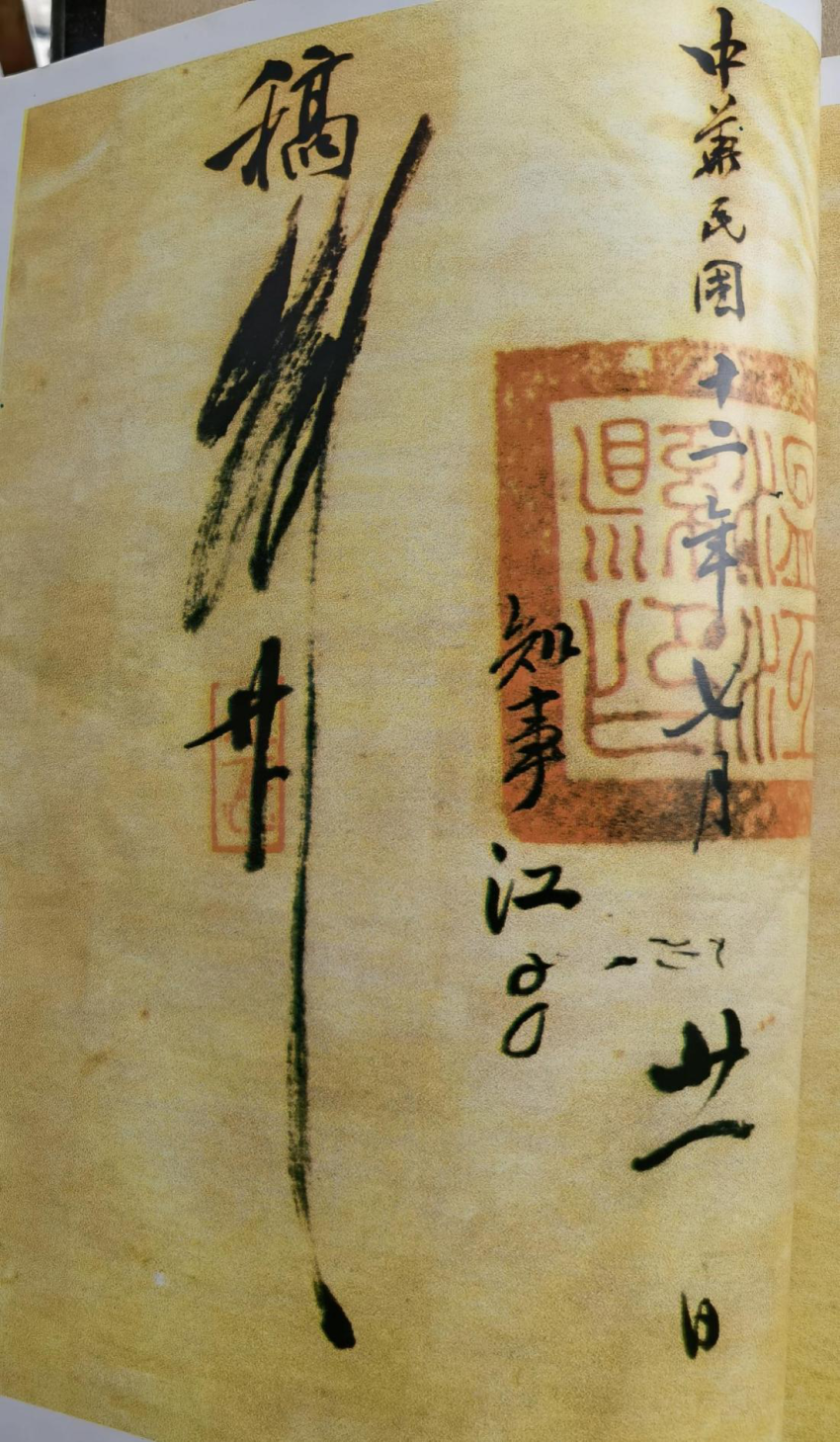
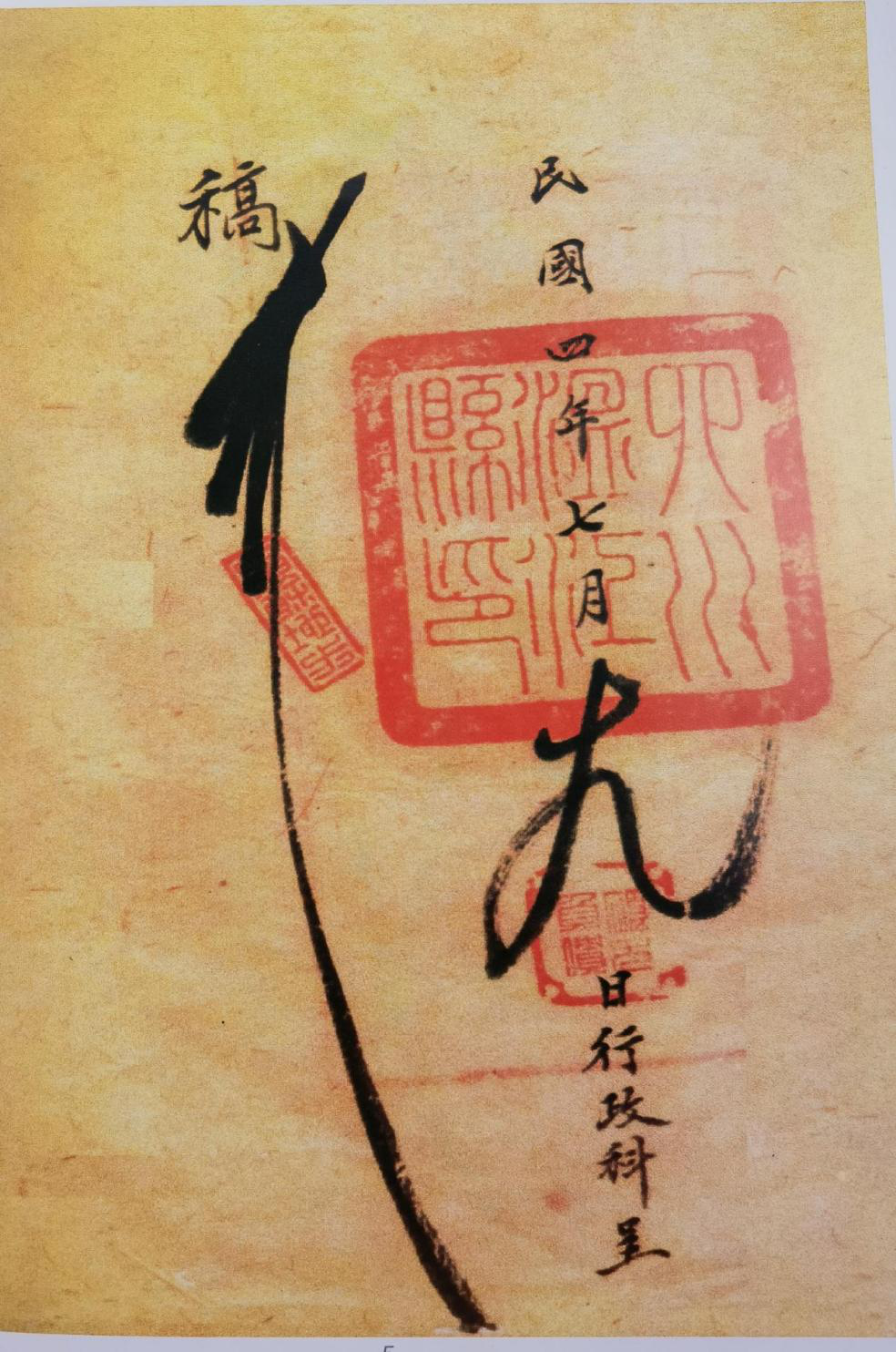
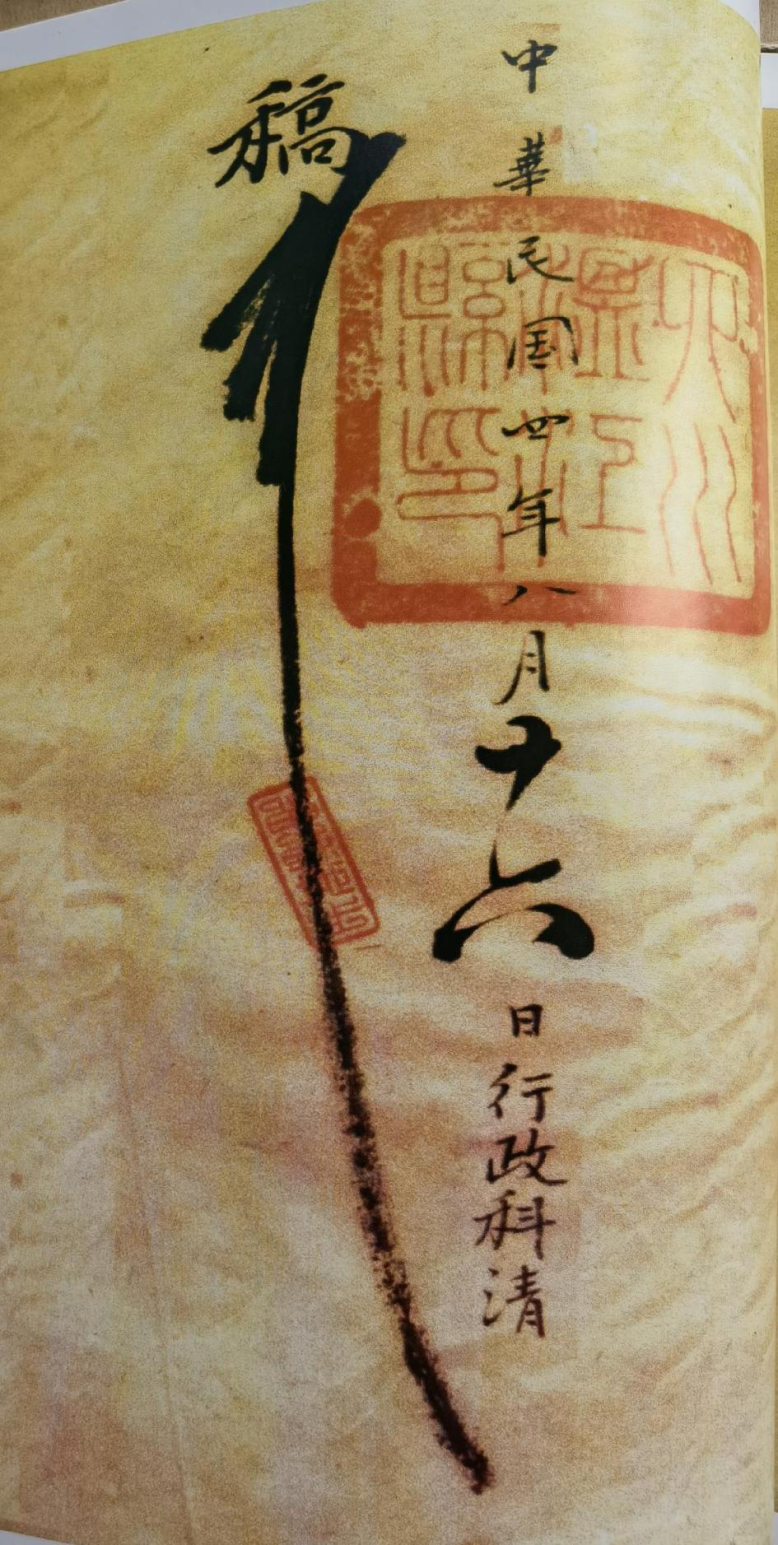
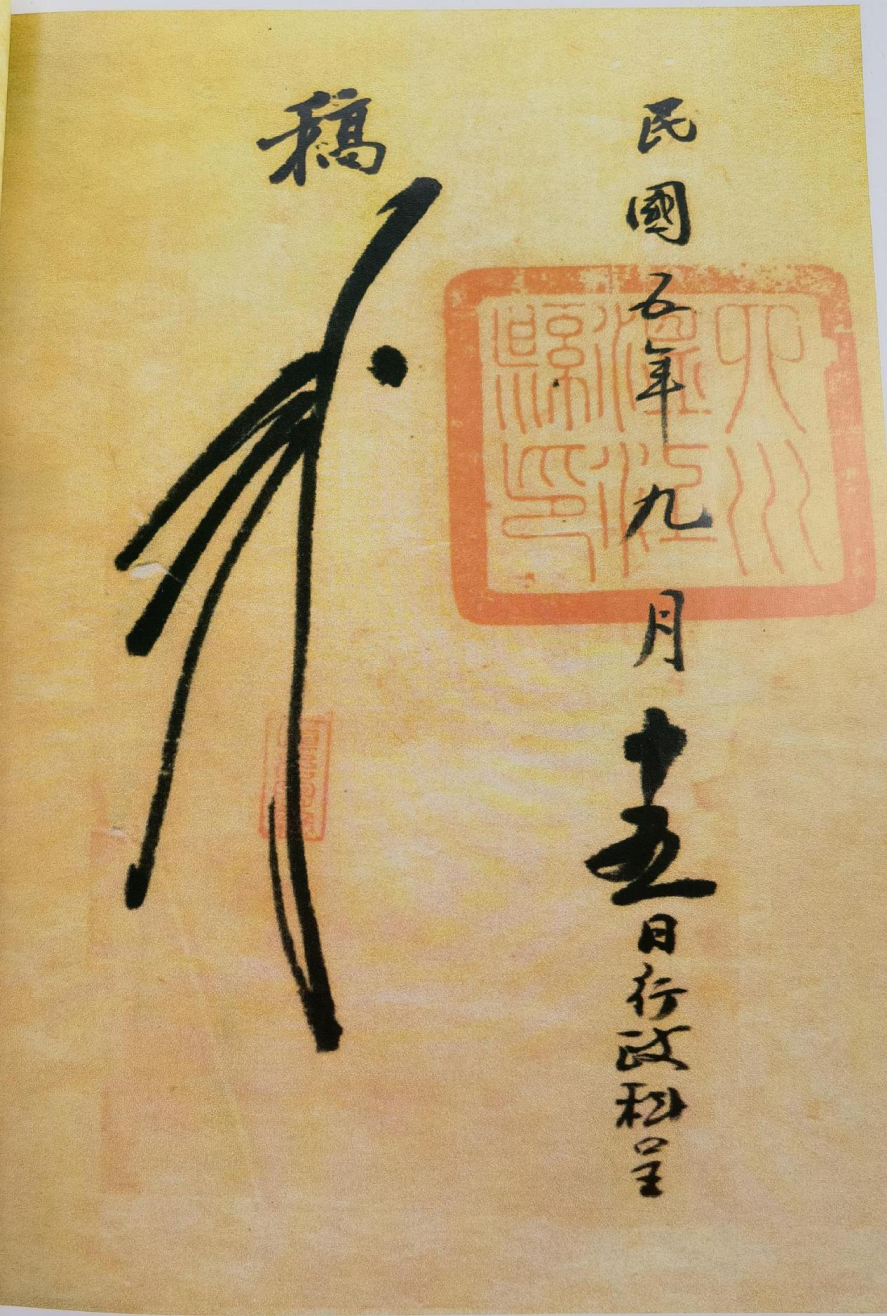
民国初期温江县知事公署历任知事37位,均在签发公文时,将“行”字签为鹤形。这些“行”字,寥寥几笔即勾画成鹤,其形态从容潇洒,栩栩如生,尖形的嘴,修长的腿,长颈凋尾,敛翅独立,引颈伫望,各具神情。
Some are lithesome, cute, elegant and
comely—like a Triton of the minnows;
它们有的轻盈乖巧,淡雅清秀,似有鹤立鸡群之孤傲;
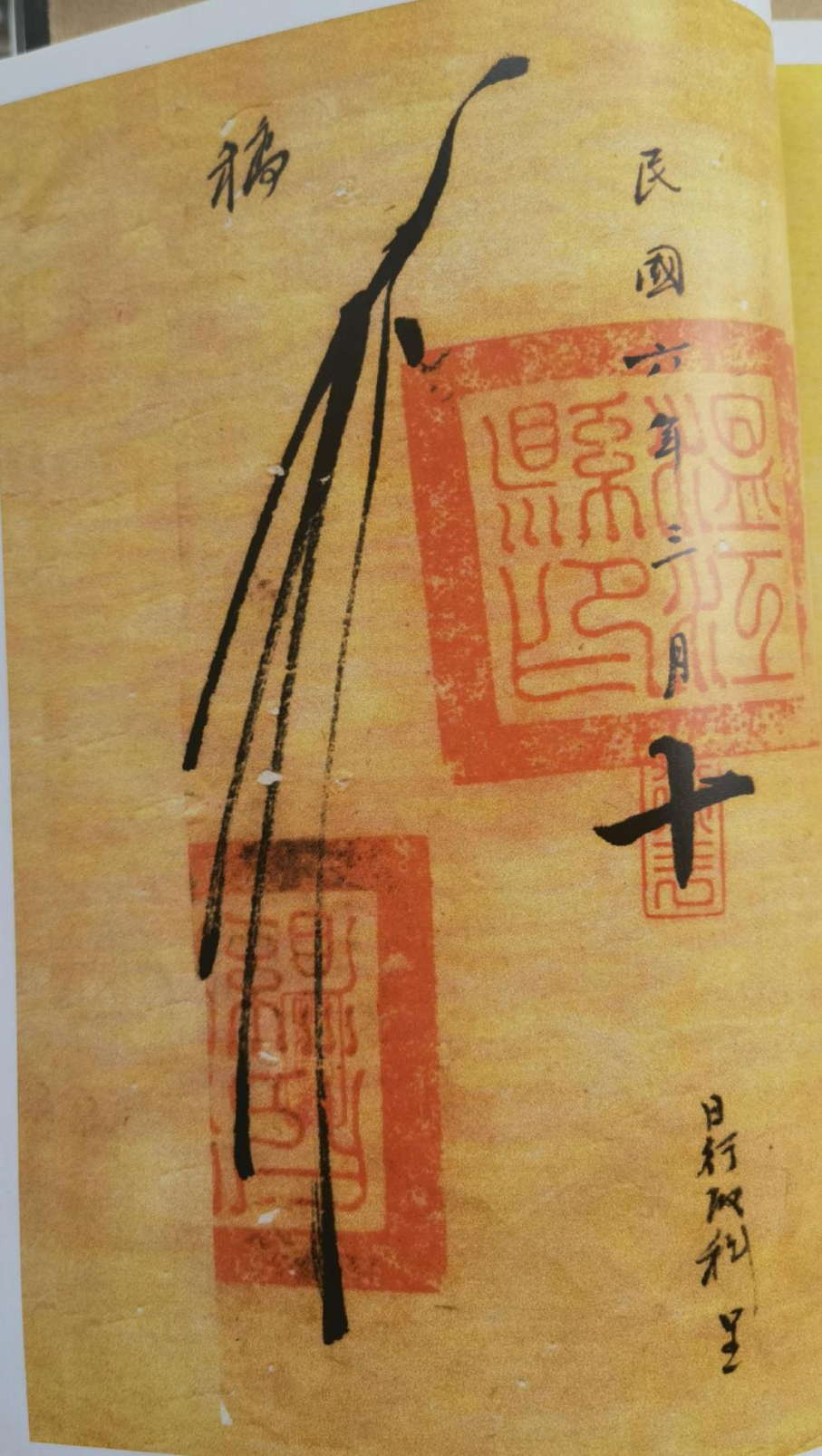
Some hold their heads high and stride
forward confidently—exuding an air of
nobility;
有的昂首正身,高视阔步,若有不可侵犯之宏威;
Some look sleek and exquisite—as
graceful as fairies;
有的纾平圆滑,玲珑俊俏,恍若飘逸洒脱之仙姿;
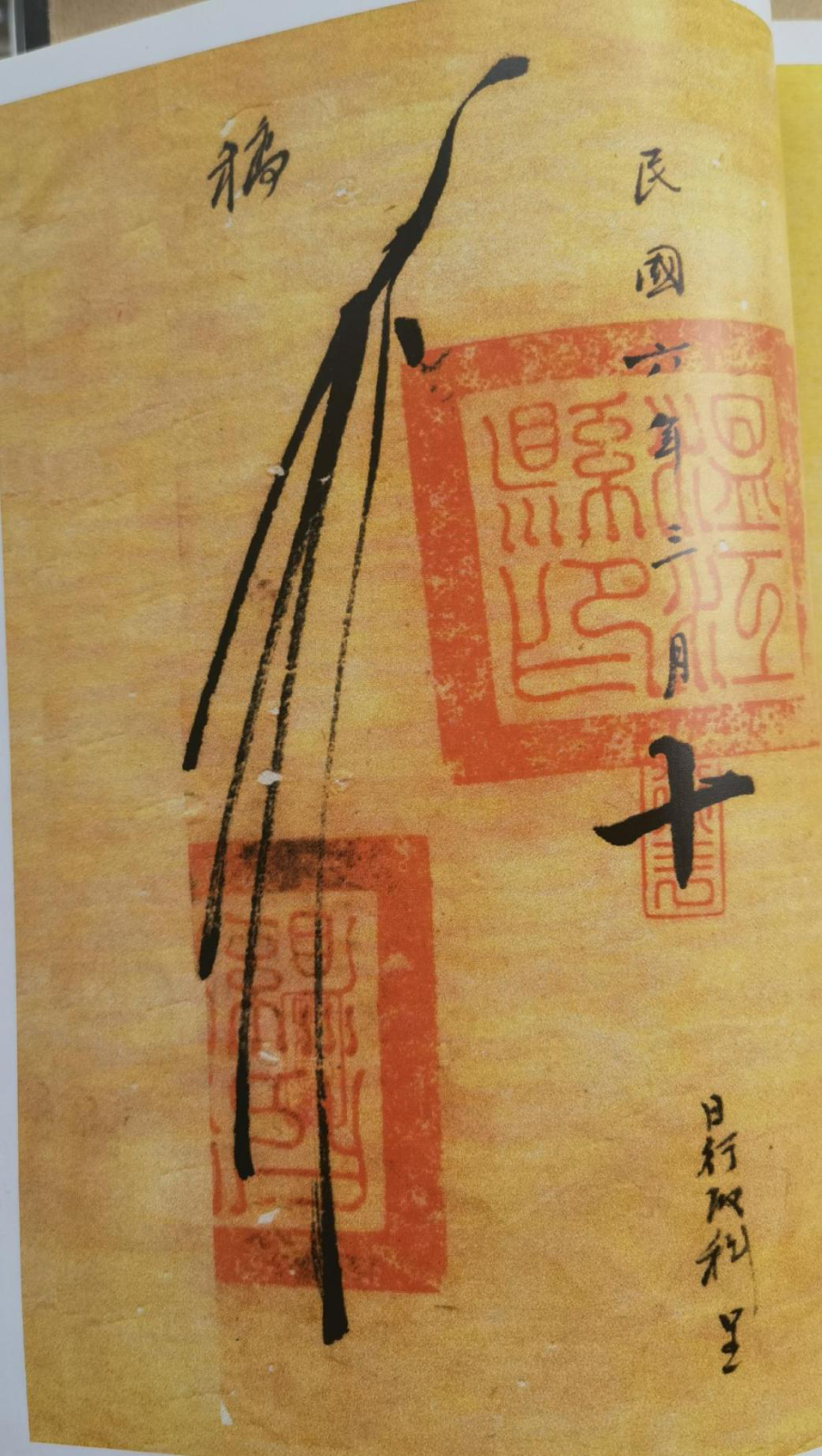
Some look back—as if to survey their
own feathers or gesture for companions
to catch up ... All show a wide variety of
poises and manners.
有的引颈后顾,似在审视自己的羽饰,有似在召唤同伴尽快赶上……可谓情态各异,千鹤多姿。
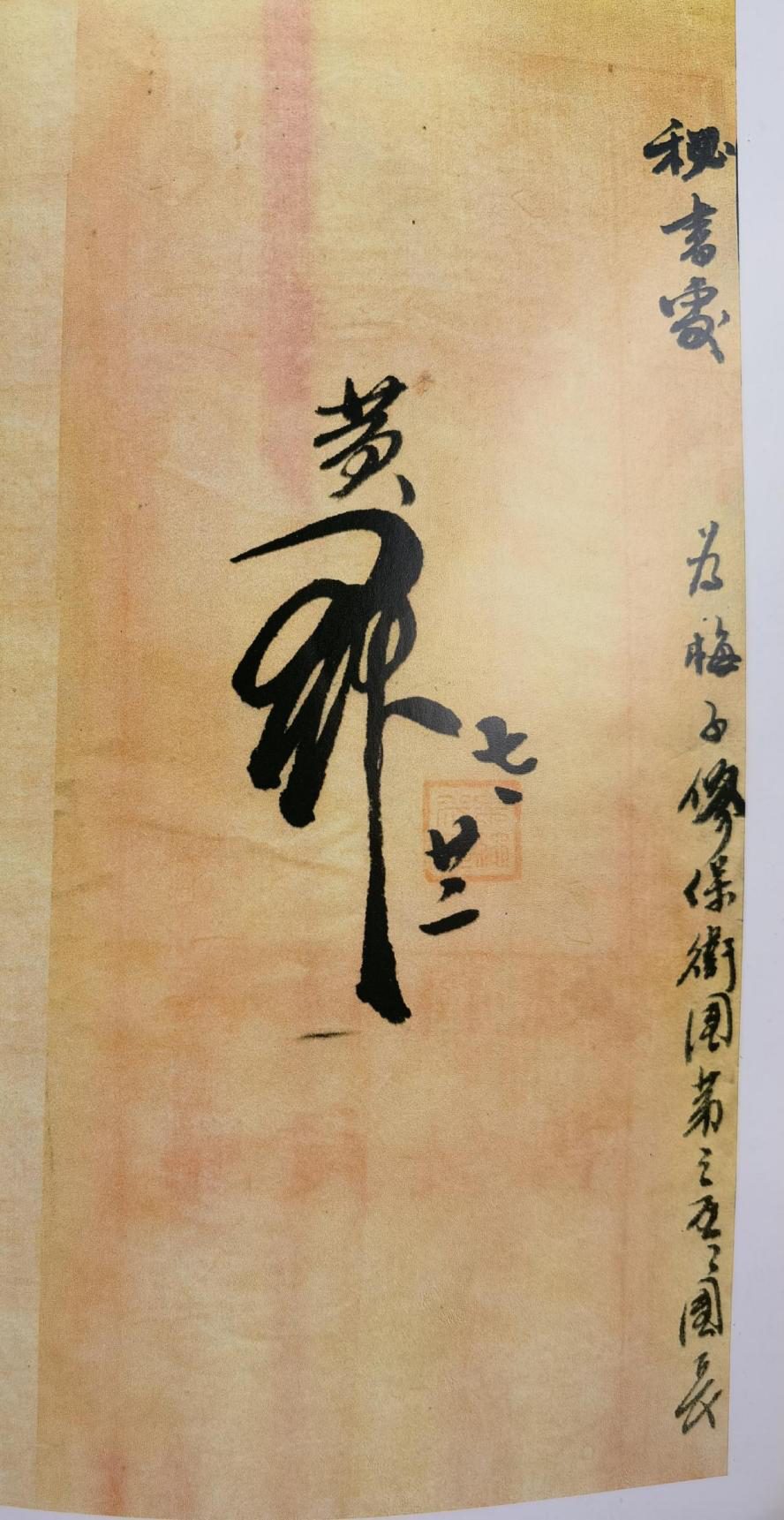
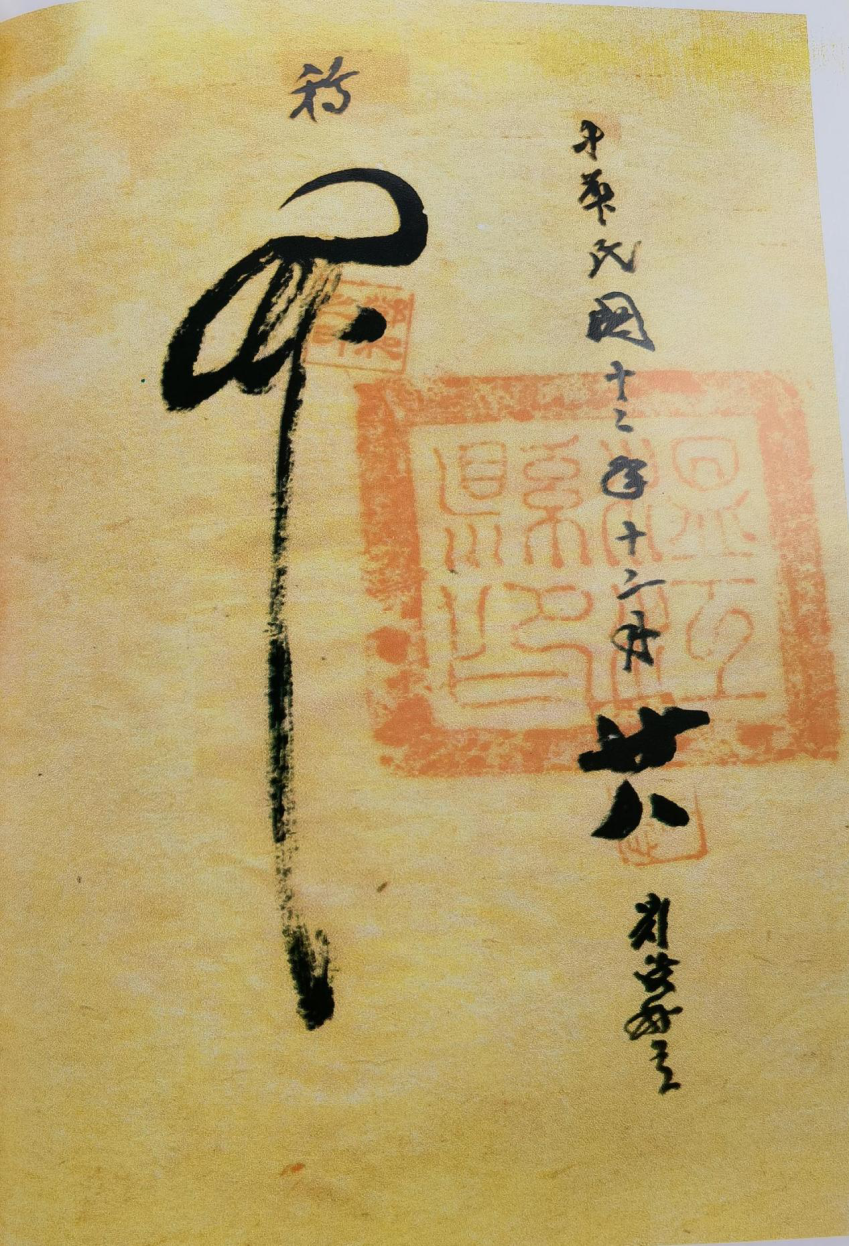
These crane-shaped signatures housed
in Wenjiang District Archives are
historical records under state key
protection. They are of great
significance for the study of the
formatting and calligraphy of official
documents issued in the Republic of
China.
这些鹤形签押,馆藏于温江区档案馆,属于国家重点保护档案,对于研究民国时期的公文写作和书法,具有珍贵的意义。

来源 Source | 成都市温江区档案馆
排版 Typesetting | 赵术君
审核校对 Senior Editor | 陈倩